
Skin Cancer Detection and Treatment
Australia has one of the highest rates of skin cancer in the world, with about two in three Australians diagnosed with some form of skin cancer before the age of 70. Early detection and treatment are crucial in managing skin cancer and can be lifesaving. At Eramosa Medical in Somerville, we are dedicated to providing comprehensive skin cancer detection and treatment services.
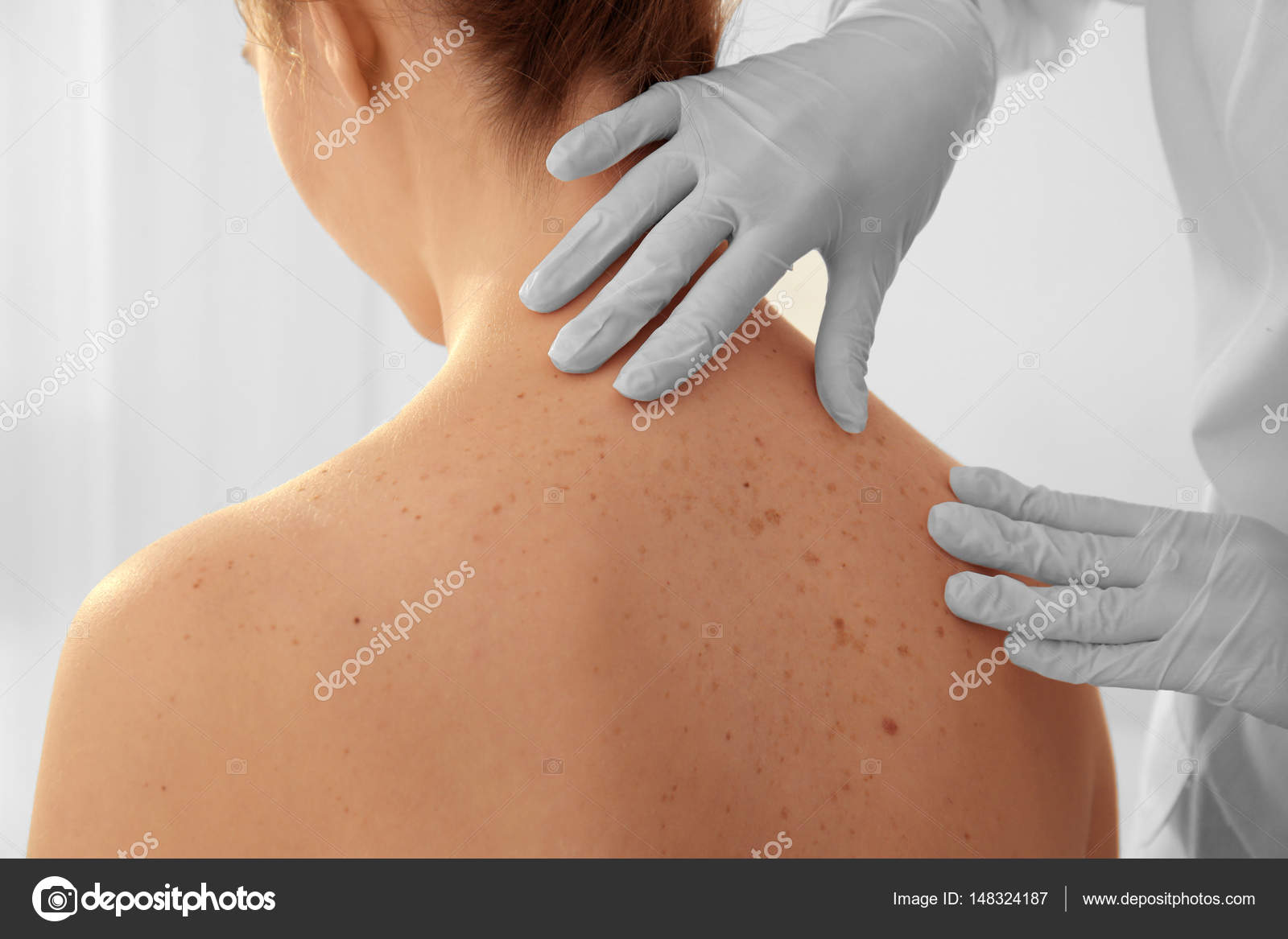
What is Skin Cancer?
Skin cancer occurs when skin cells are damaged, often due to overexposure to ultraviolet (UV) radiation from the sun. There are three main types of skin cancer:
- Basal Cell Carcinoma (BCC): The most common type, BCC typically appears as small, shiny bumps on sun-exposed areas of the skin. While BCC rarely spreads, early treatment is important to prevent it from growing and causing damage.
- Squamous Cell Carcinoma (SCC): SCC often presents as red, scaly patches or nodules, and while it can be more aggressive than BCC, it is still highly treatable when caught early.
- Melanoma: The most serious form of skin cancer, melanoma can develop from an existing mole or appear as a new spot on the skin. Melanomas are often irregular in shape, multicolored, and change over time. Early detection is critical to prevent the spread of melanoma.
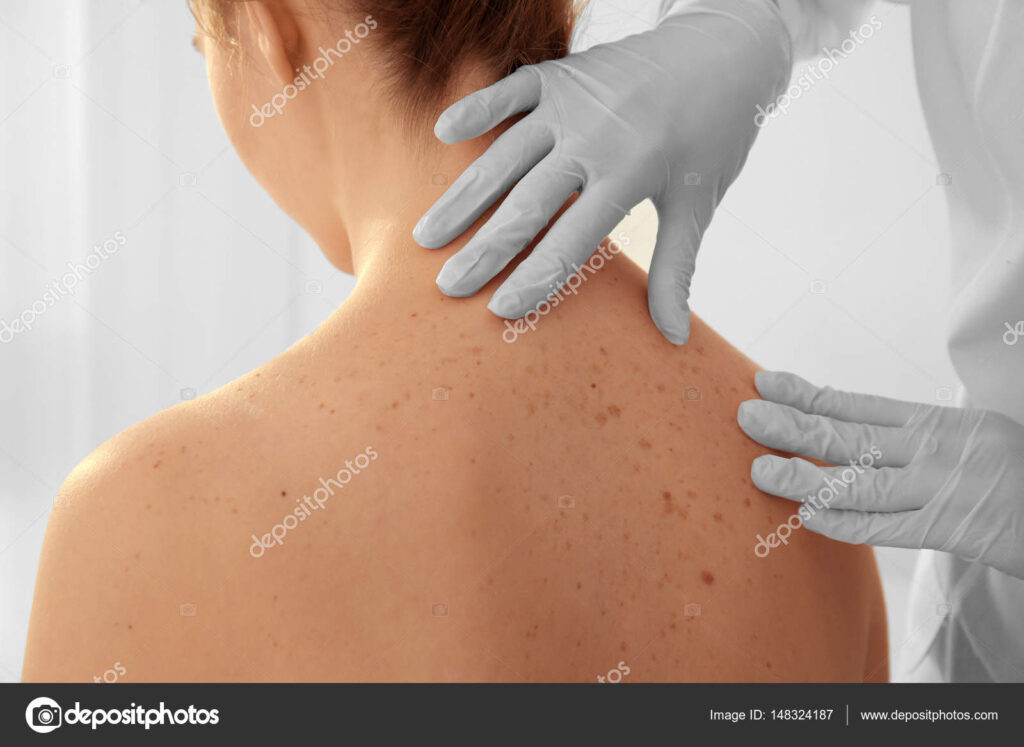
Why Regular Skin Checks Are Important
Regular skin cancer checks are vital for early detection. A skin check at Eramosa Medical includes:
- Medical History Review: We assess your skin cancer risk based on your history of sun exposure, family history of skin cancer, and any previous skin conditions.
- Comprehensive Skin Examination: Our doctors use advanced imaging technology to examine your skin thoroughly. Any suspicious moles or lesions will be photographed, recorded, and monitored over time.
- Personalized Treatment Plans: If a skin cancer diagnosis is made, we discuss treatment options that may include surgical removal, cryotherapy, or topical treatments, depending on the type and severity of the cancer.
Signs to Watch For
It’s important to monitor your skin for any changes. Signs that may indicate skin cancer include:
- Non-healing sores: Crusty, non-healing sores that persist for weeks.
- New or changing spots: New moles or spots, or existing moles that change in size, shape, or color.
- Lumps or growths: Small, red, pale, or pearly-colored lumps that appear suddenly.
If you notice any of these signs, it’s important to see a doctor promptly.
Preventing Skin Cancer
Preventing Skin Cancer
Prevention is the best way to reduce your risk of developing skin cancer. The Cancer Council recommends:
- Slip on sun-protective clothing.
- Slop on broad-spectrum, water-resistant SPF30+ sunscreen.
- Slap on a wide-brimmed hat to protect your face and neck.
- Seek shade, especially during peak sun hours.
- Slide on sunglasses that meet Australian Standards.
Schedule Your skin check
The highly trained nurses from SkinSmart Australia provide mole mapping and magnified imaging at Eramosa Medical to assist in the early diagnosis of skin cancers.
Using sophisticated imaging technology, suspicious lesions can be scanned, photographed and recorded for accurate monitoring and follow-up by our doctors who have expertise in skin cancer surgery.